

A home inspection checklist is a structured guide used by buyers purchasing a home or first time home buyers to evaluate the condition of a property before closing. According to the International Association of Certified Home Inspectors (InterNACHI) and the American Society of Home Inspectors (ASHI), a comprehensive home inspection covers all major systems including the plumbing system, electrical, HVAC, windows and doors, roof, and foundation. Inspection Certification Associates recommends always hiring a certified home inspector who follows established inspection standards.
What Is a Home Inspection Checklist?
A home inspection checklist is a structured guide used to evaluate the condition of a home before buying or selling. It walks you through every major area of the property, from the roof and exterior to plumbing, electrical, and HVAC systems.
While a DIY home inspection checklist is a great starting point, it’s not a substitute for a licensed professional. A certified home inspector has specialized tools, training, and experience to identify issues that most homeowners would miss.
What Does a Home Buyer Inspection Checklist Cover?
A complete home buyer inspection checklist covers all major systems and components of a property. Most inspectors follow the Outside-In, Top-Down method, starting at the exterior and working their way inside from attic to basement. A professional home inspection typically takes 2-3 hours depending on the size and condition of the home.
How Do You Do a Home Inspection Step by Step?
Most inspectors use the “Outside – In, Top – Down” method, and anyone can conduct their own DIY home inspection using our checklist with the same method. With the “Outside-In, Top-Down” approach, you begin on the outside of the property, walking around the exterior of the home. Then you inspect the roof, garage, and make your way inside the home. Once inside the home, you start at the top of the house with the attic, working your way down to the basement or crawlspace. If you do decide to do your own home inspection, please be sure to use caution and don’t attempt to inspect anything that doesn’t look safe.
This home inspection checklist for buyers is not exhaustive, as a professional home inspector will do a much more in-depth inspection, but it covers most of the major areas where problems can occur.
Below is ICA’s complete home inspection checklist for buyers. Use it as a guide when walking through a property. For a printable version, download the free PDF checklist at the bottom of this page
What Do You Look for Outside the Home?
Grounds & Landscaping
- Proper drainage away from the house
- No evidence of standing water
- No leaks from the septic tank/field
- No branches touching or hanging over the roof
- The yard, landscaping and walkways are in good condition
- Additional structures (fences, decks, garages, retaining walls, sheds) are in good condition
- Railings on decks and stairways are secure
- Driveways, sidewalks, and patios are in good condition
- Downspout drainage is directed away from the house/structure
Structural Components
- Visible foundation is in good condition – straight, no visible cracks
- Sides of house are not bowing or sagging
- Door and window frames are square
- Siding is not cracked or damaged
- No cracks in masonry veneers
- No dents or damage to vinyl siding
- No stains on exteriors or flaking paint
- Garage door opens and closes as intended
Doors, Windows & Trim
- Wood frames and trim pieces are secure, not rotting or cracking
- Joints around frames are caulked in
- No broken glass or damaged screens
Roof
- Shingles are not bent, molding or flaking
- No more than two layers of roofing
- Wood shingles or shakes – no mold, rot or decay; no cracked/broken shingles
- Flashing is present around roof penetrations
- Gutters are not sagging or rusted
- Chimneys are straight and flashed correctly; no damaged bricks
- Exterior vents are clear
What Do You Look for Inside the Home?
Attic Inspection
- No stains around roof penetrations
- No signs of decay or damage
- Sufficient insulation that has been properly installed
- Proper ventilation
- No plumbing, appliance, or exhaust vents terminate here
Rooms & Living Spaces
- Floors, walls, and ceilings are straight and level
- Flooring in good condition, not stained
- Walls, ceilings, and floors in good condition, not stained
- Paint is not chipped
- Wood trim installed properly and in good condition
- Light switches are functional
- Heating/cooling source present in each habitable room
- Adequate insulation in walls
- Windows are in good condition
- Doors are functional and not damaged
- Door frames are in good condition
- Fireplace flue is clean and functional, no cracks/damage in masonry
- Cabinets are functional
- Smoke detectors are working
Stairs, Crawl Spaces & Safety Features
- Stairway tread is in place
- Stairway handrails are secure
- Crawl spaces are adequately vented
- Basement is in good condition
- Carbon monoxide detectors are functional and located where required
Kitchen Inspection
- Exhaust fan operational; vents to exterior
- Ground Fault Circuit Interrupter (GFCI) protection for electrical outlets within 6 feet of sink
- Dishwasher drains properly, no leaks
- No leaks under sink
- Cabinet under sink – no signs of stains, decay or mold
- Sink provides adequate water flow
- No signs of excessive rust or damage on garbage disposal
- Cabinets are functional and not damaged
- Toilet operational, stable, no stains around base
- Caulking around tub/shower area in good condition
- Tub/shower tiles secure and not damaged
- No evidence of leaks around base of tub/shower
Bathroom Inspection
- Working exhaust fan that vents to exterior
- Proper water flow and pressure to all fixtures
- Shower, tub and sink drain properly
Basement Inspection
- No evidence of moisture/sitting water
- No stains or major cracks in foundation
- No sagging, damage, or decay in structural wood
Crawlspace
- Adequately vented
- Insulation present on exposed pipes
- No insect damage
- No moisture damage
Which Home Systems Does An Inspector Check?
Plumbing Inspection
- Pipes are not leaking or damaged
- Water pressure is steady
- Plumbing is fully operational
- Water heater functions adequately
Electrical Inspection
- Electrical outlets are functional and grounded
- Insulation is adequate
- Electrical wiring is secured and working properly
- Service panel is not overheating
Radon & Sewer Scope Inspection
- Radon testing and sewer scope inspections are not included in a standard home inspection but are strongly recommended. Ask your home inspector about adding these specialty inspections for a more comprehensive home inspection, especially if you are buying a home with a VA loan.
HVAC System Inspection
- HVAC system operates well throughout home
- Air filters are clean
- Ductwork is in good condition
- No asbestos on pipes or air ducts
- Furnace is operational and in good condition
According to InterNACHI’s Standards of Practice, all major home systems must be inspected and reported on during a professional home inspection to avoid costly surprises. Always hire a certified home inspector to evaluate these systems thoroughly.
What Are the Biggest Red Flags in a Home Inspection?
Not all inspection findings are equal. Some issues are minor and easy to fix, while others are serious enough to make a buyer walk away or renegotiate the price. Here are the biggest red flags to watch for:
- Foundation problems — cracks, shifting, or bowing walls indicate serious structural issues that can cost tens of thousands of dollars to repair
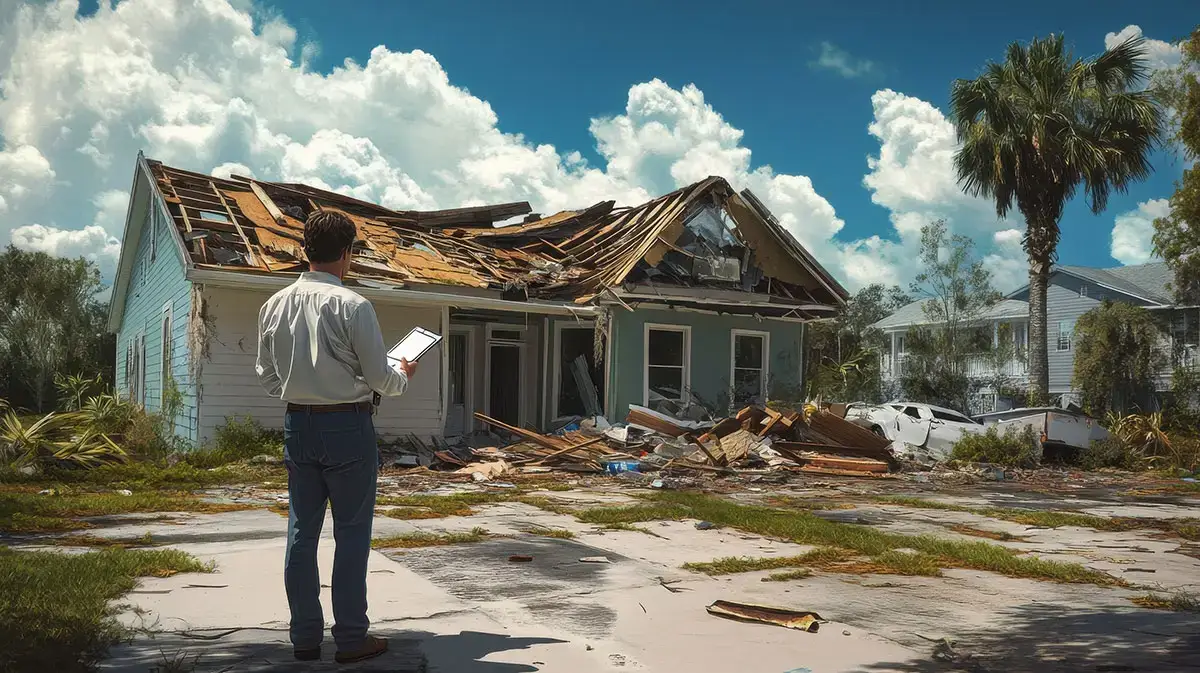
- Roof damage — missing shingles, sagging, or active leaks mean expensive repairs or full replacement
- Outdated electrical systems — old wiring, overloaded panels, or missing GFCI outlets are fire hazards and insurance risks
- Plumbing issues — low water pressure, corroded pipes, or slow drains signal costly repairs
- HVAC problems — an aging or non-functional heating and cooling system is expensive to replace
- Water damage or mold — stains on ceilings, walls, or floors indicate past or present moisture issues
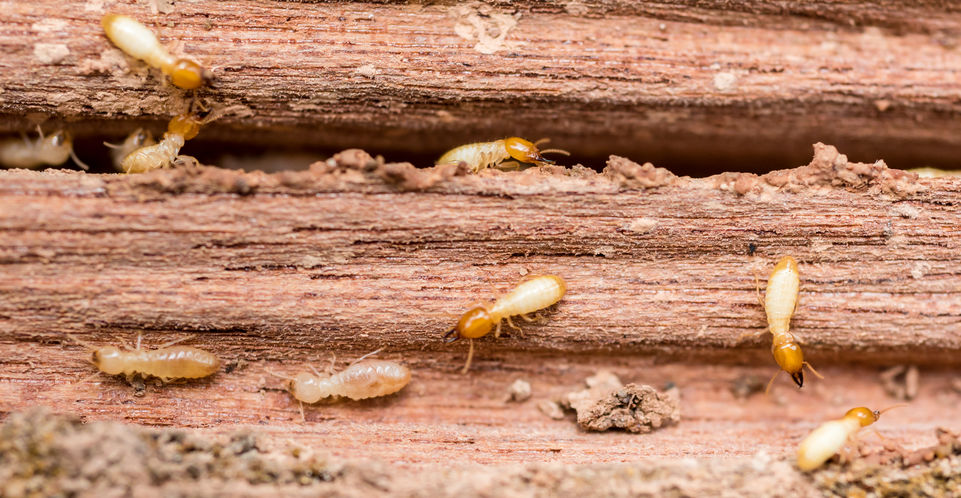
- Pest infestations — termites or rodents can cause significant structural damage if left untreated
How Do You Prepare for a Home Inspection?
How to Read Your Inspection Report
Your inspection report documents everything the inspector found, helping you understand potential repair costs. Review it carefully — pay attention to safety hazards and major defects first. Use the report to negotiate repairs or credits with the seller before closing
Whether you’re a buyer or seller, knowing how to prepare for a home inspection checklist can make the process smoother and less stressful. Here’s what to do:
For Home Buyers:
- Review this home inspection checklist before the inspection so you know what areas to watch
- Attend the inspection in person — walk through with the inspector and ask questions
- Take notes and photos of anything that concerns you
- Review the inspection report carefully before making any decisions
- Use findings to negotiate repairs or price reductions with the seller
If you’re buying your first home, consider adding an inspection contingency to your offer, this gives you the right to negotiate or walk away based on the inspection findings.
For Home Sellers:
- Do a self home inspection checklist walkthrough before listing your home
- Fix any obvious issues like leaky faucets, broken outlets, damaged gutters
- Make sure all areas are accessible, such as the attic, basement, crawlspace, electrical panel
- Have documentation ready for any recent repairs or upgrades
- Be prepared for the inspector to find things you didn’t know about
Want to Turn Your Home Inspection Knowledge Into a Career?
If reading through this checklist made you realize how much goes into a professional home inspection, you’re not alone. Many of ICA‘s students discovered their passion for home inspection the same way.
ICA offers affordable, flexible online home inspection training that covers everything on this checklist and much more. Our self-paced courses are approved in 49 states and include:
- Lifetime access to course materials
- Free home inspection report software
- Bonus specialty courses including Wood Destroying Organisms, Mold, and Radon
- Free or discounted InterNACHI® membership
- Career support from day one
Ready to get started? Explore ICA‘s training packages here or call us at 888-374-4096.
Frequently Asked Questions: Home Inspection Checklist
What is the biggest red flag in a home inspection?
Foundation problems, roof damage, and faulty electrical systems are the most serious red flags in a home inspection. These issues are expensive to repair and can affect the structural integrity and safety of the home. Buyers should carefully review these findings in the inspection report before proceeding with a purchase.
What are the most common issues found during a home inspection?
The most common issues found during home inspections include improper drainage, roof damage, faulty electrical wiring, plumbing leaks, and HVAC problems. Minor issues like cracked caulking or damaged gutters are also frequently flagged. Most of these are fixable — what matters is catching them before closing to avoid costly surprises.
What should you look for in a new construction home inspection?
Even new construction homes need a professional inspection. Look for improper grading, missing insulation, plumbing leaks, electrical issues, and HVAC problems. Builders sometimes cut corners or make mistakes that aren’t visible without a thorough inspection. Always hire a certified home inspector before closing on a new build.
What do home inspectors typically not look for or cover?
Standard home inspections don’t cover pests, mold, radon, sewer lines, or underground systems unless specifically requested. Inspectors evaluate what is visible and accessible — they don’t move furniture or open walls. For a more thorough evaluation specialty inspections can be added for an additional cost.
What happens after a home inspection & can you negotiate repairs?
Yes. After receiving the inspection report buyers can request the seller make repairs, reduce the purchase price, or provide a credit at closing. Not all findings require action but major issues like roof damage or foundation problems are strong negotiating points. Your real estate agent can help guide the process.
What is the difference between a home inspection and a home appraisal?
A home inspection evaluates the physical condition of a property — identifying defects and safety issues. A home appraisal determines the market value of the property for lending purposes. Both are important steps in the home buying process but they serve completely different purposes and are performed by different professionals.
Who pays for the home inspection?
The buyer typically pays for the home inspection. Costs range from $300 to $500 depending on the size and location of the home, which may also influence the repair costs if any issues are found. Larger or older homes may cost more. The fee is paid directly to the inspector and is separate from closing costs. Some lenders require a home inspection before approving a mortgage.

Download the full checklist PDF here.


 English
  Spanish