

FEMA Inspector Salary: How Much Do FEMA Disaster Inspectors Make in 2026?
FEMA disaster inspectors earn an average of $57,260 per year or $27.53 per hour, according to ZipRecruiter (June 2026). Top earners make up to $106,000 annually. Pay varies based on experience level, the contracting company, and whether inspectors are paid per inspection or hourly. Becoming a FEMA home inspector is one of the most popular ways for certified home inspectors to supplement their home inspector salary during disaster response deployments and it can significantly boost your annual earnings.
What Does a FEMA Disaster Inspector Do?
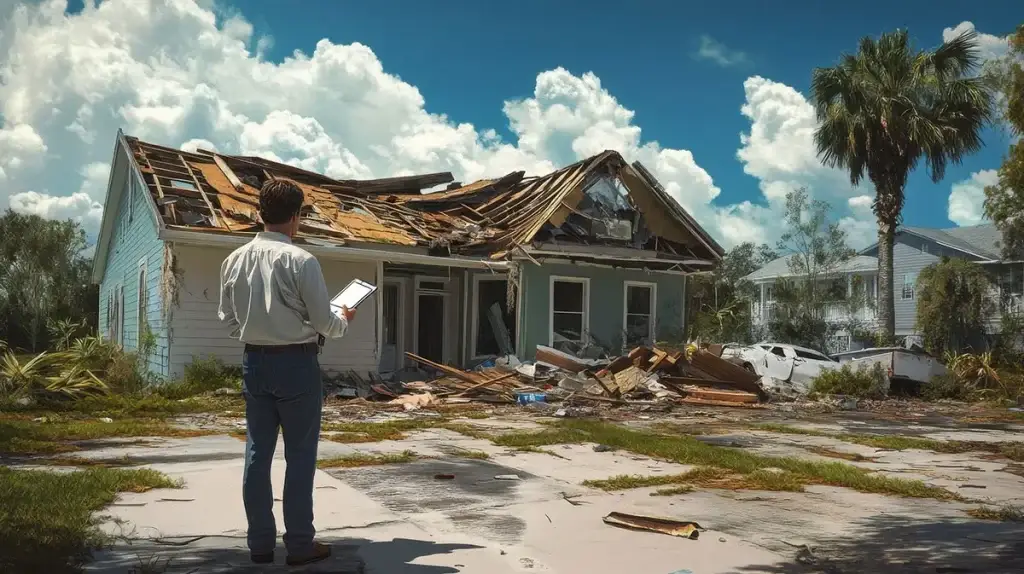
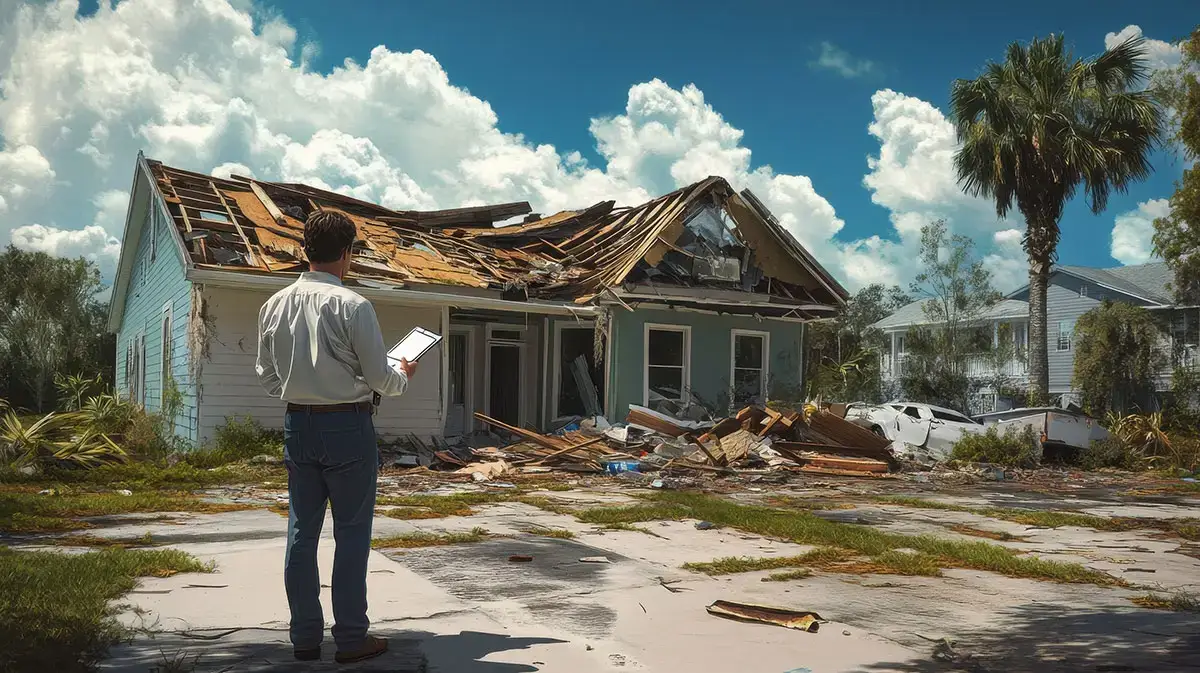
A FEMA disaster inspector assesses damage to homes and businesses after federally declared natural disasters, like hurricanes, floods, tornadoes, fires, and earthquakes. Their findings determine how much financial assistance affected homeowners and businesses receive from the federal government.
FEMA is a federal agency that conducts disaster response operations nationwide. Inspectors are hired as either independent contractors or temporary employees depending on which company they work for.
FEMA disaster inspectors work on a temporary, contract basis and are deployed to disaster areas on short notice. During each inspection, they:
- Verify homeowner or renter information
- Evaluate the extent of property damage
- Document findings using FEMA-issued equipment — typically an iPad loaded with inspection software
- Complete a property inspection checklist
- Submit reports to FEMA to help determine eligibility for federal aid
According to FEMA.gov, inspectors must complete an official FEMA inspector training course before accepting assignments. Training covers FEMA’s reporting platform, how to interview homeowners respectfully, and how to document property conditions accurately.
How Much Do FEMA Inspectors Make in 2026?
According to ZipRecruiter (June 2026), the average FEMA inspector salary in the United States is $57,260 per year or $27.53 per hour. Here’s the full salary breakdown:
| Experience Level | Annual Salary |
| Entry Level (25th percentile) | $35,000 |
| Mid-Level (median) | $57,260 |
| Experienced (75th percentile) | $73,500 |
| Top Earners (90th percentile) | $106,000 |
According to Glassdoor (June 2026), FEMA inspectors report earning between $45,457 and $81,138 annually. Vanguard disaster housing inspectors specifically earn an average of $78,720 per year.
Pay varies significantly based on:
- Contracting company — Vanguard vs WSP USA have different pay structures
- Experience level — more inspections completed = higher pay rate
- Deployment frequency — FEMA work is temporary so annual earnings depend on how often disasters are declared
- Location — disaster areas in high cost of living states may offer higher rates
How Are FEMA Disaster Inspectors Paid?
The government contracts with two outside companies to provide FEMA inspectors — WSP USA Inspection Services and Vanguard Inspection Services. Both have different pay structures covered in detail below:
Vanguard brings inspectors on board as independent contractors rather than hiring them as employees. This means each of their FEMA inspectors is responsible for paying self-employment taxes on his or her Vanguard earnings. There are no taxes withheld on the money they receive from Vanguard, so these inspectors may also need to file quarterly estimated tax payments.
Vanguard pays inspectors per inspection based on experience level (2026 rates from Vanguard’s official website):
- Novice (0-500 inspections): $39 per inspection
- Intermediate (501-1,500 inspections): $44 per inspection
- Advanced (1,501+ inspections): $50 per inspection
Vanguard estimates inspectors can complete 6-15 inspections per day. Based on current rates:
- Novice: $234 – $585 per day
- Intermediate: $264 – $660 per day
- Advanced: $300 – $750 per day
WSP USA pays inspectors hourly (2026 rates):
- Regular hours: $32.56 per hour
- Overtime: $48.84 per hour
WSP inspectors working 70 hours in a week can earn over $3,100 for that week according to WSP’s own estimates. WSP also pays for training time, travel time, and overtime, making busy deployment periods especially lucrative.
How Much Time Do FEMA Disaster Inspectors Spend on the Job?
At first, FEMA’s per inspection pay may seem low when compared to the earnings of independent home inspectors, although FEMA inspections are different from conventional home inspections. A standard home inspection typically takes two to three hours, as opposed to FEMA home inspections, which only assess actual damages, and don’t include inspecting the home’s various systems and components. FEMA allows 40 minutes per inspection, although some experienced FEMA home inspectors indicate they only need 15 to 30 minutes each, which means a lot more inspections can be completed in a single day.
Vanguard says its FEMA inspectors deployed to disaster areas work an average of 10 hours per day, although inspectors themselves say it’s often 12 or more hours. Most deployments last one to two weeks but are sometimes longer. FEMA disaster inspectors are expected to work seven days a week throughout the deployment.
For a deeper look at what a typical day looks like in the field, read ICA’s FEMA Inspectors: A Day in the Life.
How Do You Become a FEMA Disaster Inspector?
To become a FEMA disaster inspector you need to apply through one of FEMA’s two contracted companies, Vanguard Inspection Services or WSP USA. Here’s the step-by-step process:
- Meet the basic requirements — you must be a U.S. citizen, pass a background check, and be in good physical condition to navigate challenging terrain and disaster environments
- Have a home inspection background — while Vanguard does not specify formal education requirements, having a home inspection certification gives you a significant advantage
- Apply through Vanguard or WSP — visit their official recruiting websites to submit your application
- Pass a background check — FEMA requires all contractors to pass a federal background check and receive a FEMA contractor badge
- Complete FEMA inspector training — training is provided by the contracting company and includes classroom instruction, field simulations, and learning FEMA’s reporting platform
- Get deployed — once certified and badged you’ll be activated when disaster declarations are made. Be prepared to travel on short notice for deployments lasting 1-2 weeks or longer
Before deciding to apply consider these factors:
- Are you able to pass a federal background check?
- Are you in good physical condition to navigate disaster areas?
- Are you mentally prepared to work in devastated communities?
- Can you leave your current job on short notice for extended periods?
- Do you have home inspector jobs experience that qualifies you?
This is an excellent opportunity to apply your inspector training and certification in a meaningful real-world setting.
What Expenses Do FEMA Inspectors Get Reimbursed For?
Vanguard and WSP both reimburse their inspectors for most of the ordinary and necessary expenses incurred while deployed to disaster sites, including:
- Transportation to and from the assignment
- Mileage reimbursement for privately owned automobiles at the current rate allowed by the IRS
- Per Diem meals and lodging at the prevailing GSA rate
- Tolls and parking
- Taxi fares
- Laundry
FEMA inspector travel expenses that need to be paid upfront can add up quickly, especially those like airfares and rental car costs. It’s advisable for FEMA home inspectors to bring enough money to cover at least two weeks’ out-of-pocket expenses until their first expense report is approved and they receive reimbursement. Gas prices can sometimes soar in a disaster area, so keep this in mind when you’re putting together your budget for the assignment.
How Can FEMA Inspector Work Help Your Home Inspection Career?
Doing even a single deployment with FEMA just might be more beneficial to your home inspection business than you realize. Every certification or credential you earn should be displayed prominently on your website, business cards and other marketing materials. If you received your home inspection training through Inspection Certification Associates, InterNACHI® (International Association of Certified Home Inspectors) is probably already on them.
Only a very few of your clients are likely to have ever heard of InterNACHI, but virtually all of them have probably heard of FEMA. If they know you’re trained and certified to respond to disaster and emergencies, they will respect this, and your image as a professional home inspector will be enhanced. Besides, you’ll probably have some exciting stories to share with them, which will help build a better client rapport.
FEMA experience also sets you apart from other inspectors when marketing your services. Being able to say you’ve been deployed to federal disaster zones signals credibility, professionalism, and real-world experience that most home inspectors can’t claim. Combined with your home inspection certification and ICA training, FEMA work can help you command higher rates and attract more clients.
Want to Qualify for FEMA Inspector Work?
Start With ICA’s Home Inspection Training.
FEMA disaster inspector work is one of the most rewarding ways to supplement your home inspection income but you need the right credentials to get started. ICA’s home inspection training program gives you everything you need to get certified, build your skills, and qualify for FEMA contractor positions.
Here’s what ICA includes:
- State-approved online training accessible 24/7 on any device
- 700+ practice exam questions to help you pass the NHIE
- Wood Destroying Organisms bonus course — valuable for disaster inspections
- Lifetime access to course materials
- Free or discounted InterNACHI membership
- Career support from day one
Ready to get started? Explore ICA’s training packages | Check your state’s requirements | Calculate your salary potential
Frequently Asked Questions: FEMA Inspector Salary
What is the highest paid FEMA inspector?
According to ZipRecruiter (June 2026), top earning FEMA inspectors make up to $106,000 annually. Glassdoor reports Vanguard disaster housing inspectors can earn up to $119,318 per year at the 90th percentile. Pay is highest for experienced inspectors deployed frequently to large-scale disasters in high cost of living areas.
Does working for FEMA pay well?
Yes, FEMA inspector work pays well relative to the temporary contract nature of the role. Average annual pay is $57,260 according to ZipRecruiter (June 2026). During active deployments inspectors can earn $300-$750 per day depending on experience level and contracting company. Most inspectors report feeling fairly compensated for the demanding work.
What does a FEMA inspector do?
A FEMA disaster inspector assesses damage to homes and businesses after federally declared natural disasters. They verify homeowner information, evaluate property damage, document findings using FEMA-issued equipment, and submit reports that determine financial assistance eligibility for disaster victims. Inspections typically take 15-40 minutes each.
Is it hard to get hired by FEMA?
Getting hired as a FEMA inspector requires passing a federal background check and completing FEMA’s official training program. Competition increases during periods of low disaster activity. Having a home inspection certification and prior field experience significantly improves your chances of being activated for deployments.
What training do you need to become a FEMA inspector?
FEMA requires all inspectors to complete an official training course provided by their contracted companies, Vanguard or WSP USA. Training covers FEMA’s reporting platform, damage assessment procedures, and homeowner interview techniques. Having a home inspection certification from an accredited school like ICA gives you a strong foundation before applying.
Can you make a living as a FEMA inspector?
FEMA inspector work is best suited as supplemental income rather than a primary career. Work is temporary and depends on disaster declarations which are unpredictable. Most successful FEMA inspectors also maintain active home inspection businesses. Combined income from both can push annual earnings well above $100,000 for experienced inspectors.





 English
  Spanish