

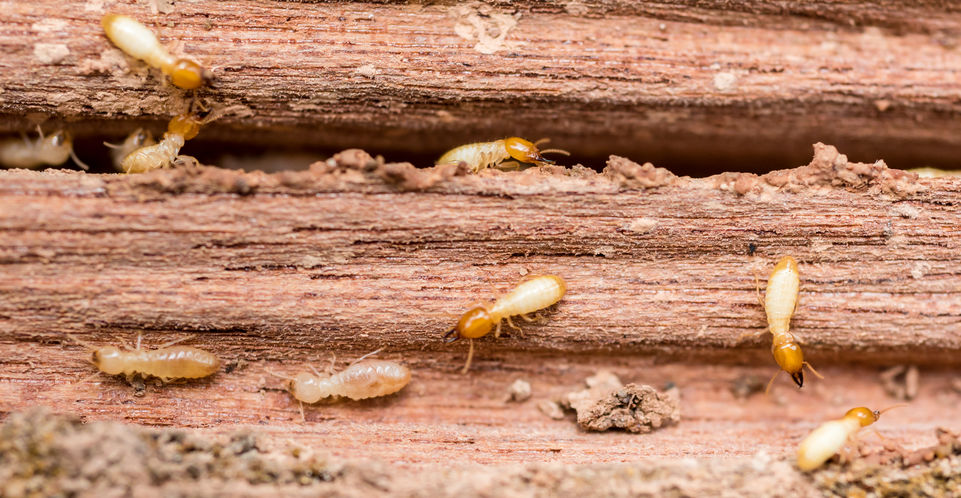
The most common signs of termites include mud tubes along the foundation, hollow sounding wood, frass (termite droppings), discarded wings near windows, and buckling floors. As a home inspector, your job isn’t to produce a formal termite report, that requires a licensed pest control specialist. However, you are trained to spot evidence of wood-destroying organisms (WDOs) and flag it in your report. According to the U.S. Environmental Protection Agency (EPA), termites cause approximately $2 billion in treatment costs each year in the United States. Knowing what to look for, and where, is one of the most valuable skills you can develop as an inspector.
What Are the Signs of Termites?
- Mud tubes — pencil-sized tunnels made of soil running along the foundation or walls.
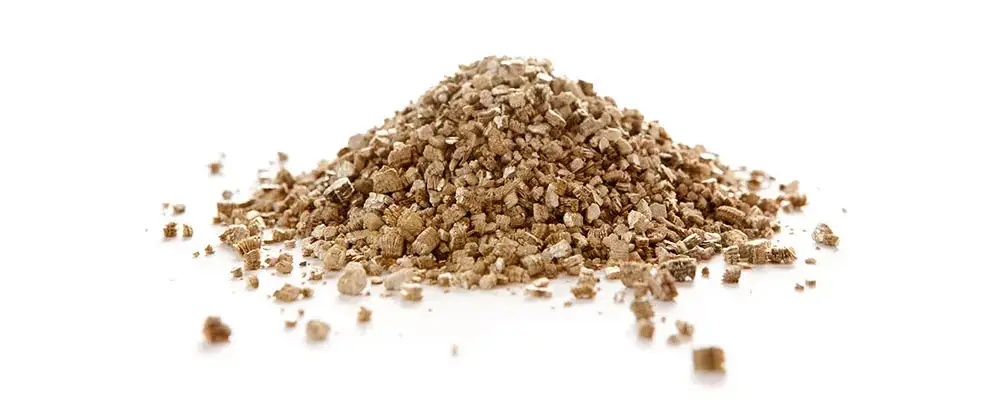
- Frass — small pellet-shaped droppings that look like sawdust near wooden structures.
- Discarded wings — small paired wings found near windowsills or light sources.
- Hollow sounding wood — tap with a screwdriver, if it sounds hollow termites may be present.
- Buckling or spongy floors — damage to subfloor joists causes flooring to sag.
- Bubbling or peeling paint — moisture from termites causes paint to bubble.
- Tight-fitting doors and windows — termite damage warps wood frames causing them to stick.
Detecting a colony of termites early is the best way to protect your home from costly structural damage. Common signs of a termite infestation vary by type of termite. Drywood termite infestations leave frass pellets while subterranean termites leave shelter tubes. These various signs, left behind by termites, can also cause significant water damage and compromise the structural integrity of a home if left untreated. Inspect carefully around your home’s foundation for early warning signs of costly damage.
Subterranean termites are found in every U.S. state except Alaska and are responsible for the majority of termite damage nationwide.
What Do Termites Look Like?
Termites are often confused with flying ants, especially during swarming season. Here’s how to tell them apart:
Termites:
- Pale white to tan in color
- Straight beaded antennae
- Broad waist with no pinch
- Wings equal in length
Flying Ants:
- Dark brown to black in color
- Elbowed antennae
- Narrow pinched waist
- Front wings longer than back wings
What Kind of Termites Are Found During Home Inspections?
Termites live in large colonies, and consist of three different roles:
- Worker termites are white to gray in color and make up the largest population of a colony. They are responsible for eating away at wood or other plant material.
- Soldier termites are larger and yellow-brown in color. They protect the nest and repair damage to the termite’s home.
- Swarmer termites have wings and may be yellow or brown. They are the breeders of the colony.
The most visible termites you’ll encounter as an inspector are swarmers. Swarmers are winged reproductive termites that emerge in spring. Finding discarded wings near windowsills or light fixtures is one of the strongest indicators of an active colony nearby.
The termites that are the biggest threat to homeowners in the U.S. are:
- Damp wood. Damp wood termites tend to live in areas that are heavily forested.
- Dry wood. Dry wood termites live in really dry wood, and are rare in the U.S.
- Subterranean termites are the most destructive. They require a moist environment and are usually found living in the soil.
- Formosan termites are the most aggressive. They organize into huge underground colonies and build intricate mud nests inside the walls of a structure. Because they are so aggressive, Formosan termites are difficult to control once they infest a structure.
- Conehead termites are an invasive species native to the Caribbean that was first introduced to the U.S. in 2001. They forage on the ground like ants, allowing them to spread quickly. They are extremely aggressive and can cause widespread property damage in a short period of time.

This map was developed by the US Forest Service in the Home and Garden Bulletin 4 Subterranean Termites –
Their Prevention and Control in Buildings. It shows that subterranean termites are a problem almost nationwide.
Where Can Damage Be Found?
Crawl spaces are notorious for moisture problems. They’re usually caused by things like poor control of storm water runoff, condensation from ductwork, and inadequate ventilation, just to name a few. Moisture creates the perfect environment for termites and wood-destroying organisms (WDO).
Where Do Termites Cause Damage in a Home?
Crawl spaces are one of the first places to check. Poor drainage, condensation, and inadequate ventilation create ideal conditions for subterranean termites. But termite damage can appear throughout a home.
Other locations where a termite infestation may be located include:
- Inside wall cavities
- Ceilings
- Flooring
- Wood siding
- Firewood stored against a home
- Mulch or other landscape material near the home
- Window frames
- Attic framing and roof sheathing
- Basement sill plates and floor joists
- Garage door frames and wooden support beams
- Deck and porch structure

Even if there is no wooden framework on your home, termites can still get in. You can read more about how in our blog post “Can Termites Infest Masonry Homes?”
If a home inspector identifies termite or WDO activity during a home inspection, they’ll suggest that their client hire a pest control contractor for proper assessment and treatment. Depending on the amount of damage present, a building contractor or structural engineer may need to be brought in to assess the condition of the home and determine the best way to mitigate.
If you want to read more about warning signs, jump over to our blog post, “Five Signs Termites are Invading Your Home”.
How Do Home Inspectors Check for Termites?
Some home inspectors also hold a termite inspection license, but most don’t. National organizations like the International Association of Certified Home Inspectors (InterNACHI) and the American Society of Home Inspectors (ASHI) have training courses that teach home inspectors how to identify WDOs, but these courses do not certify a home inspector to produce a WDO inspection report. The license needed to produce the report typically comes from licensed pest control companies, as a termite home inspection is a specialized field.
A home inspector examines a home’s structure and its systems for defects. This includes things like the construction elements, electrical, plumbing, HVAC systems, the roof, interior and exterior components, and foundation. A home inspection report is much more detailed than a termite inspection, because a home inspection covers almost every aspect of the house, whereas a termite inspection will be specific to termites.
A termite inspector has one focus – to look for evidence of wood-destroying organisms in and around the home. While a home inspector usually inspects using the “Outside-In, Top-Down” approach, a termite inspector starts at the bottom and moves to the top, going from basement/crawlspace to attic.
Here is the step-by-step process trained inspectors use:
- Start at the crawl space or basement, check sill plates, band joists, and floor joists for mud tubes, frass, or soft wood. Probe suspicious areas with a screwdriver.
- Inspect the exterior foundation perimeter, walk the full perimeter looking for mud tubes running from soil to structure.
- Check moisture-prone areas such as bathrooms, kitchens, and laundry areas because termites follow moisture.
- Tap and probe window and door frames, listen for hollow sound and look for warping or frass.
- Move to the attic, inspect roof framing especially near any past water intrusion.
- Document and report all findings, photograph every sign of activity and note it in your report.
What Happens If Termites Are Found During a Home Inspection?
Evidence of termite damage can include things like:
- Buckling floors
- Dry rot in wood floor joists
- Wood rot in door and window frames
- Soft/damp wood
- The presence of mud tubes bored into the soil near the foundation or directly into the home
- Swarms around indoor or outdoor lights
- Small mounds of what looks like sawdust
- Maze-like tunnels or galleries visible in exposed wood
- Pinpoint exit holes in drywall
Home inspectors check for signs of moisture in and around a home, not just because it can cause foundation issues, but because termites love damp conditions. Subterranean termites especially love moisture, so it’s important to identify moisture build up in and around a home. Areas to keep an eye on can include dripping from an outside faucet or clogged gutters that don’t drain properly.
Finding termites during a home inspection doesn’t have to derail a deal. Here’s what typically happens next:
- Inspector documents the findings — all visible signs of termite activity are photographed and noted in the inspection report.
- Licensed pest control specialist is called in — the buyer hires a WDO inspector or pest control company for a formal termite inspection and treatment estimate.
- Structural damage is assessed — if significant damage is present a licensed contractor or structural engineer evaluates load-bearing components.
- Buyer negotiates with seller — options include seller treats and repairs before closing, seller reduces purchase price, or buyer accepts as-is.
- Treatment and repairs are completed — common treatments include liquid termiticides, bait stations, and fumigation.
Always document suspected WDO activity in your report and refer to a licensed pest control contractor. Failing to report it can expose you to liability.
You can read more about “What You Need to Know About Inspecting for Wood Destroying Organisms” here.
Ready to Learn How to Inspect for Termites and More?
Knowing how to identify termite activity is one of the most valuable skills a home inspector can have. ICA’s home inspection training program covers wood destroying organisms, structural inspection, and everything else you need to get licensed and launch your career with confidence.
ICA also offers a bonus Wood Destroying Organisms (WDO) course included in select training packages — giving you the specialized knowledge to spot termites, carpenter ants, and other damaging pests from day one.
Ready to get started? Explore ICA’s training packages here or call us at 888-374-4096.
Frequently Asked Questions About Termites and Home Inspections
What bug can be mistaken for termites?
Flying ants are the most common insect mistaken for termites. The key differences are: termites have straight antennae, equal length wings, and a broad waist. Flying ants have elbowed antennae, unequal wings, and a pinched waist. Swarmers from both species appear in spring, so knowing the difference is essential.
How fast can termites cause damage?
Termite colonies typically take 3 to 8 years to grow large enough to cause visible structural damage. However aggressive species like Formosan termites can cause serious damage in as little as 1 to 2 years. Early detection during a home inspection is critical to avoiding costly repairs.
Does a home inspection check for termites?
A standard home inspection does not include a formal termite or WDO report. However home inspectors are trained to identify visible signs of termite activity and flag them in their report. A separate licensed pest control inspection is required to produce an official WDO report.
When should you call a professional for a termite problem?
Call a licensed pest control professional immediately if you notice mud tubes, frass, discarded wings, hollow sounding wood, or buckling floors. The sooner an infestation is identified the less damage occurs. Most pest control companies offer free termite inspections.
What kills termites immediately?
Licensed pest control professionals use termite control methods including liquid termiticides, termite treatment bait stations, and fumigation. If signs of termite infestation are found in damaged wood around your home’s foundation or elsewhere, always refer your client to a licensed pest control contractor rather than attempting to get rid of termites independently.




 English
  Spanish