

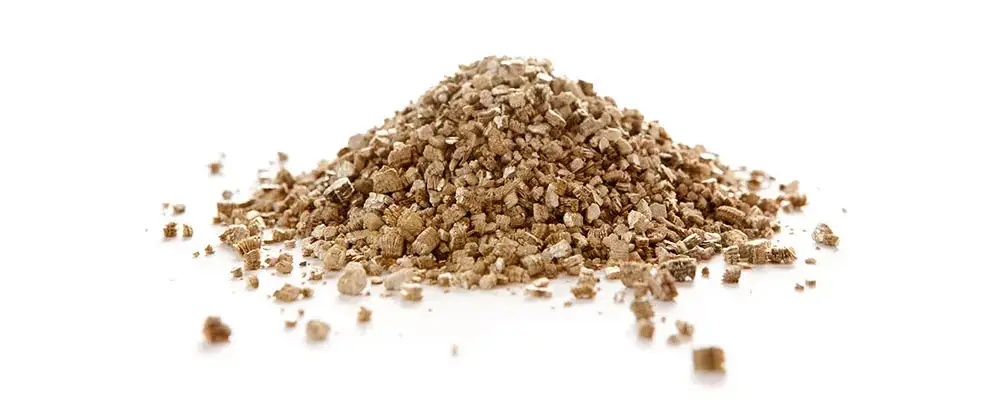
It might look harmless, but some vermiculite have a nasty personality.
Vermiculite insulation is not asbestos but it very often contains it. According to the U.S. Environmental Protection Agency (EPA), a mine near Libby, Montana supplied over 70% of all vermiculite sold in the United States from 1919 to 1990 and that mine had a deposit of asbestos that contaminated the vermiculite. The EPA’s official guidance is simple: if your home has vermiculite insulation in the attic, assume it may be contaminated with asbestos and do not disturb it. For home inspectors, knowing how to identify vermiculite insulation and advise clients is an essential skill.
What Is Vermiculite Insulation and Where Does It Come From?
Vermiculite is a naturally-occurring mineral composed of shiny flakes resembling mica. When heated to high temperatures, vermiculite expands up to 8-30 times its original size, making it lightweight, fire-resistant, and odorless. These properties made it a popular choice for attic insulation from the 1920s through the 1990s. The Libby mine in Montana was the primary source of vermiculite insulation sold in the U.S. for over 70 years.
The majority of vermiculite insulation used in the United States came from a single mine near Libby, Montana. That mine also contained a natural deposit of tremolite-actinolite asbestos which contaminated the vermiculite. This contaminated vermiculite was commonly sold under the brand name Zonolite.
If your home was built before 1990 and has loose-fill insulation in the attic, there is a significant chance it is vermiculite. Homes built after 1990 are very unlikely to contain vermiculite insulation as it was phased out around that time.
Vermiculite-based insulation is a pour-in product that was widely used in American homes before the Libby mine closed in 1990.
What Does Vermiculite Insulation Look Like?
Vermiculite insulation is easy to identify once you know what to look for:
- Color: gray-brown, silver-gold, or light brown
- Texture: pebble-like, loose-fill granules
- Size: ranges from very fine particles to coarse pieces nearly an inch long
- Appearance: shiny flakes with a layered texture similar to mica
- Location: typically found as loose-fill insulation on the attic floor
According to the EPA, look at the insulation without disturbing it. Do not touch or move it to get a closer look.
Does Vermiculite Insulation Contain Asbestos?
The EPA says that vermiculite insulation, which is the pebbly stuff found in attics of many older homes, is only risky if it contains more than one percent asbestos. That’s good news, because most Zonolite, a type of vermiculite insulation, falls into that category. For years, Zonolite was used in the insulation of homes throughout the United States. While some believe the substance to be safe, a 2008 class-action lawsuit against W.R. Grace, owner of the Montana mine that produced Zonolite, came to a different conclusion.
The court found that one percent wasn’t a strict enough standard. Even when Zonolite contained less than one percent, the court said it was still dangerous. One reason why is because the type of asbestos in Zonolite was often “amphibole,” says StructureTech. That’s a more dangerous type than the chrysotile asbestos that was used in many other home products.
What Percentage of Vermiculite Contains Asbestos?
According to the EPA, the Libby Montana mine was the source of over 70% of all vermiculite sold in the U.S. from 1919 to 1990. This means the majority of vermiculite insulation found in American homes today was contaminated with asbestos. Testing is also not completely reliable and can return false negatives, which is why the EPA recommends treating ALL vermiculite as if it contains asbestos rather than relying on test results.
How Do You Tell If Vermiculite Contains Asbestos?
Unfortunately you cannot tell visually whether vermiculite contains asbestos. The contaminated Libby vermiculite looks identical to safe vermiculite. While professional testing is available, the EPA notes it can be expensive and may return inaccurate results. The safest approach is simple: treat all vermiculite insulation as if it contains asbestos regardless of test results.
What Are the Health Risks of Vermiculite Exposure?
People don’t live in their attics, so direct exposure to Zonolite might only happen once in a while. But there’s a problem with that line of reasoning, too. The asbestos that’s found in some ceiling and floor tiles, which are inside living spaces, are usually sealed. Zonolite is different.
The crumbled texture of this attic insulation leaves asbestos exposed to anything that might disturb it. Because it’s not sealed, Zonolite asbestos might easily become friable or airborne.
That’s when it’s a human health hazard. Once it’s in the air, it can go anywhere. And any disturbance in the attic can send it airborne the same way that setting down a box can stir up dust. Consider the ways in which the average homeowner uses their attic. Typically, such spaces are used for storage. Even the semi-annual trip up the stairs to the attic to grab Christmas ornaments or to hide birthday gifts could lead to serious health risks.
How Does Asbestos Cause Health Problems?
When vermiculite containing asbestos is disturbed, microscopic asbestos fibers become airborne and can be inhaled. According to the EPA, there is no known safe level of asbestos exposure. Extended exposure to airborne asbestos fibers can cause:
- Mesothelioma — a rare and aggressive cancer affecting the lining of the lungs
- Lung cancer — linked directly to asbestos fiber inhalation
- Asbestosis — a chronic lung disease causing scarring of lung tissue
- Pleural disease — thickening of the membrane surrounding the lungs
Breathing asbestos fibers and exposure to asbestos even in small amounts can have serious long term health consequences. The Agency for Toxic Substances and Disease Registry (ATSDR) and the Minnesota Department of Health both confirm that the mine in Libby Montana was responsible for widespread asbestos contamination across the United States.
Symptoms of asbestos-related diseases can take 10-40 years to appear after exposure, making early prevention critical.
What Should You Do If You Have Vermiculite in Your Attic?
W.R. Grace no longer manufactures Zonolite, and they’ve also switched gears. The Zonolite® Attic Insulation helps homeowners who have asbestos insulation get rid of it safely. They also help with re-insulation. The Trust will reimburse homeowners 55 percent of the cost of removal and new insulation. Home inspectors should refer clients with Zonolite in their attics to W.R. Grace’s website to ensure the insulation is properly removed.
All vermiculite isn’t Zonolite. But so much vermiculite has been tested and confirmed that it’s better to err on the side of caution. If there’s gray-brown pebbly insulation on the attic floor, it most likely contains enough asbestos to be a hazard to the people living there.
The EPA recommends the following steps if you have vermiculite insulation in your attic:
- Leave it alone — do not disturb undisturbed vermiculite insulation
- Limit attic visits — minimize trips to the attic and keep them short
- Keep children away — do not allow children to play in an attic with vermiculite
- Do not store items there — avoid using a vermiculite-insulated attic for storage
- Do not attempt removal yourself — always hire a licensed asbestos abatement contractor
- Notify contractors — before any renovation work, inform contractors about the vermiculite
Never remove or disturb the insulation yourself. Always hire a licensed asbestos contractor for safe asbestos removal of Zonolite attic insulation.
Should Vermiculite Insulation Be Removed?
Not necessarily. If the vermiculite is undisturbed and in good condition the health risk is minimal. The EPA recommends leaving intact vermiculite insulation alone rather than disturbing it through removal. However if you are planning renovations, adding insulation, or doing any attic work you must hire a licensed asbestos abatement professional to handle the vermiculite safely before any other work begins.
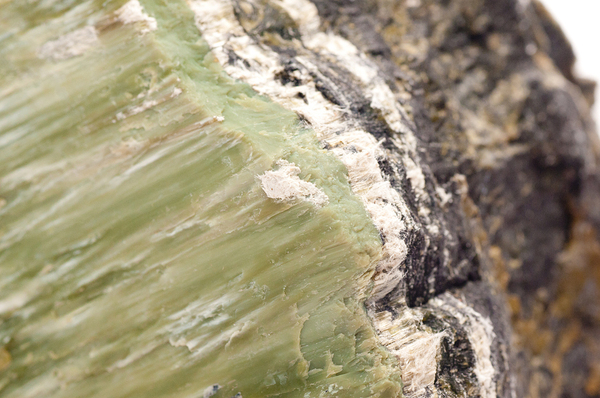 Asbestos fibers are fine when they’re contained, but when they’re airborne all bets are off.
What Should Home Inspectors Do When They Find Vermiculite?
In 2018, the United States Geological Survey (USGS) announced the development of a new tool for home inspectors hoping to identify dangerous vermiculite. Their hand-held spectrometer can save serious time for inspectors while providing peace of mind for homeowners. In just a few moments, the portable device can tell home inspectors if vermiculite insulation contains asbestos. This allows inspectors to alert homeowners of the problem fast – the previous testing required samples to be sent into a lab. The downside? The new technology is expensive, with individual spectrometers running tens of thousands of dollars. It’s also limited in scope, since the tool can only test for amphibole asbestos, one of the two asbestos types.
Beyond specialized tools, here is what every home inspector should do when vermiculite is discovered:
- Document it — photograph the insulation and note its location in your report
- Do not disturb it — avoid touching, moving, or sampling the insulation during inspection
- Wear protection — use a respirator or dust mask when inspecting attics where vermiculite may be present
- Advise your client — recommend they assume it contains asbestos and consult a licensed asbestos abatement contractor
- Reference the Zonolite Attic Trust — clients may be eligible for reimbursement of 55% of removal and re-insulation costs
- Flag for remediation — note in your report that attic work should not proceed until the vermiculite is professionally assessed
Should I Buy a House With Vermiculite Insulation?
Vermiculite insulation does not have to be a dealbreaker when buying a home. Here is how to approach it as a buyer:
- Get a professional assessment — hire a licensed asbestos inspector to evaluate the vermiculite before closing
- Negotiate with the seller — use the presence of vermiculite as a negotiating point to have it removed or to reduce the purchase price
- Request remediation — ask the seller to hire a licensed asbestos abatement contractor to remove it before closing
- Factor in removal costs — professional vermiculite removal typically costs several thousand dollars depending on attic size
- Don’t panic — undisturbed vermiculite poses minimal risk. If the attic is sealed and unused the immediate health risk is low
Ready to Learn How to Identify Hazardous Materials Like Vermiculite?
Spotting vermiculite insulation is just one of many hazardous materials a home inspector needs to know. ICA’s home inspection training program covers asbestos, lead paint, mold, radon, wood destroying organisms, and more — giving you the knowledge to protect your clients and your business.
ICA’s training includes:
- Asbestos inspection awareness built into the core curriculum
- Bonus Wood Destroying Organisms (WDO) course included free
- Mold and Radon certification courses available in Elite package
- Self-paced online training accessible 24/7
- Approved in 49 states with lifetime access
Whether you’re just starting out or looking to expand your expertise, ICA gives you the tools to handle any hazardous material situation with confidence.
Ready to get started? Explore ICA’s training packages | Check your state’s requirements]
Frequently Asked Questions: Vermiculite Insulation and Asbestos
How common is asbestos in vermiculite insulation?
Very common in older homes. Over 70% of all vermiculite sold in the U.S. from 1919 to 1990 came from the Libby Montana mine which was contaminated with asbestos. This means the majority of vermiculite insulation found in American homes today likely contains asbestos. The EPA recommends treating all vermiculite as if it contains asbestos regardless of testing results.
Is vermiculite safe now?
Modern vermiculite products sold today are generally safe as they no longer come from the Libby Montana mine which closed in 1990. However vermiculite insulation already installed in older homes built before 1990 should still be treated as potentially contaminated with asbestos. If your home was built after 1990 it is very unlikely to contain vermiculite insulation.
When did vermiculite stop using asbestos?
The Libby Montana mine which supplied over 70% of U.S. vermiculite closed in 1990. After that point vermiculite insulation was largely phased out of residential use. Homes built before 1990 may contain vermiculite insulation and should be treated as potentially contaminated with asbestos.
How do I know if I have vermiculite insulation in my home?
Look for loose-fill pebble-like insulation on your attic floor. Vermiculite is typically gray-brown or silver-gold in color with a shiny layered texture similar to mica. It ranges from very fine particles to coarse pieces nearly an inch long. Do not touch or disturb it to get a closer look. If you suspect it is vermiculite contact a licensed asbestos inspector for a professional assessment.
Is it safe to remove vermiculite insulation myself?
No. You should never attempt to remove vermiculite insulation yourself. Any disturbance can release asbestos fibers into the air which pose serious health risks when inhaled. According to the EPA only a trained and accredited asbestos abatement contractor should remove vermiculite insulation to ensure it is handled safely and disposed of properly.
Can asbestos-contaminated vermiculite be encapsulated instead of removed?
In some cases encapsulation, sealing the vermiculite with a special coating, may be an option instead of full removal. However this is only suitable if the vermiculite will remain permanently undisturbed. If you plan any attic work or renovations full removal by a licensed asbestos abatement contractor is strongly recommended.
What is the cost of removing vermiculite insulation?
Professional vermiculite removal typically costs several thousand dollars depending on the size of the attic and extent of contamination. The Zonolite Attic Insulation Trust may reimburse homeowners up to 55% of the cost of removal and re-insulation. Contact a licensed asbestos abatement contractor for a specific estimate.
Can you sell a house with vermiculite insulation?
Yes. Sellers are typically required to disclose the presence of vermiculite to buyers. Buyers may negotiate for removal or a price reduction. Having a professional asbestos assessment completed before listing helps sellers understand their options and avoid delays during closing.
What should I do if I have vermiculite insulation in my home?
Leave it undisturbed. Do not store items in the attic, allow children in the attic, or attempt removal yourself. Limit attic visits and keep them short. If you need to do any attic work hire a licensed asbestos abatement contractor before proceeding. Contact the Zonolite Attic Insulation Trust about potential reimbursement for removal costs.



 English
  Spanish